
Specialized Storage and Services for Fine Art, Design, Collectibles and Furniture

With major international fairs like Frieze London and Art Basel Paris drawing collectors from around the world, more buyers are acquiring works abroad and navigating the complexities of getting them home safely. From documentation to logistics, every step matters when protecting your investment and ensuring a seamless experience.
Tom Burns, COO of Fortress Storage, shares best practices for collectors who are purchasing art overseas.
Once you’ve purchased a work abroad, documentation should be your first priority. Make sure to get a digital copy of the invoice and certificate of authenticity for your records, and send them to your insurance agent to ensure this piece is added to your policy.
Next, we recommend confirming shipping arrangements directly with the gallery. Ask whether they will coordinate crating, air freight, and customs clearance, and verify where the artwork will ship from—many works move locations after a fair ends, sometimes even returning to the gallery’s home country.
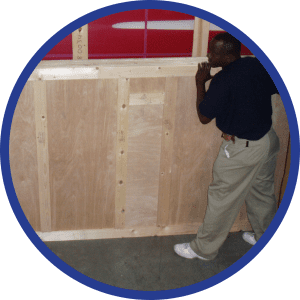
If the gallery is organizing consolidated shipments to certain destinations, consider asking if you are able to participate, as this can aid in cost savings. And as a rule, any artwork traveling by air should be packed in a wooden crate. Fortress strongly advises against using standard couriers such as FedEx or DHL, as these carriers greatly increase the risk of damage.
A clear, detailed invoice is essential for smooth customs clearance. It should include the artist’s name, title, medium, dimensions, and value, accompanied by a quality photo of the work.
Collectors should also be aware of any customs fees or taxes due and consult experts regarding materials that may require special permits (such as ivory or rosewood). Oversights in this stage are among the most common causes of shipping delays.
While it’s tempting to send your new acquisition directly to your residence, temporary storage is often the wiser choice. In most cases, it’s better to ship the piece to your art storage facility. Crated shipments are cumbersome to handle in a home setting, and most carriers deliver to warehouses rather than residences. Storage facilities can inspect the work upon arrival, coordinate installation when ready, and provide secure holding if you travel frequently.
International shipments often take several weeks to clear and arrive—especially when galleries use temporary import arrangements. Galleries may have to send works back to their home country before re-shipping to the buyer for customs reasons. Collectors should plan accordingly, as it may be several weeks before your piece is ready for installation.
For secondary homes or rural destinations, we recommend routing the shipment first to a major city with established art handling infrastructure before arranging final transport.
We always advise clients to share purchase details as soon as possible. The earlier we are informed, the better we can prepare for customs coordination, inspection, and delivery. Advance planning ensures your storage and logistics team can align with the gallery, insurer, and customs agent—helping to avoid last-minute challenges and unnecessary risk.
As the art market continues to globalize, cross-border logistics are a defining part of responsible collecting. Partnering early with trusted art storage and logistics professionals—like Fortress—can make the difference between a seamless acquisition and a stressful one.
Fortress works with collectors and institutions worldwide to provide secure storage, expert logistics, and white-glove care for fine art across borders.
To learn more about Fortress’s international art logistics and storage services, visit https://www.thefortress.com/services/.
